


Read our 2025 annual report

Knowledge Hub
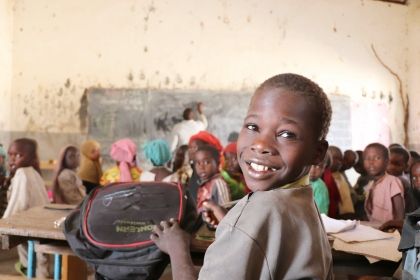
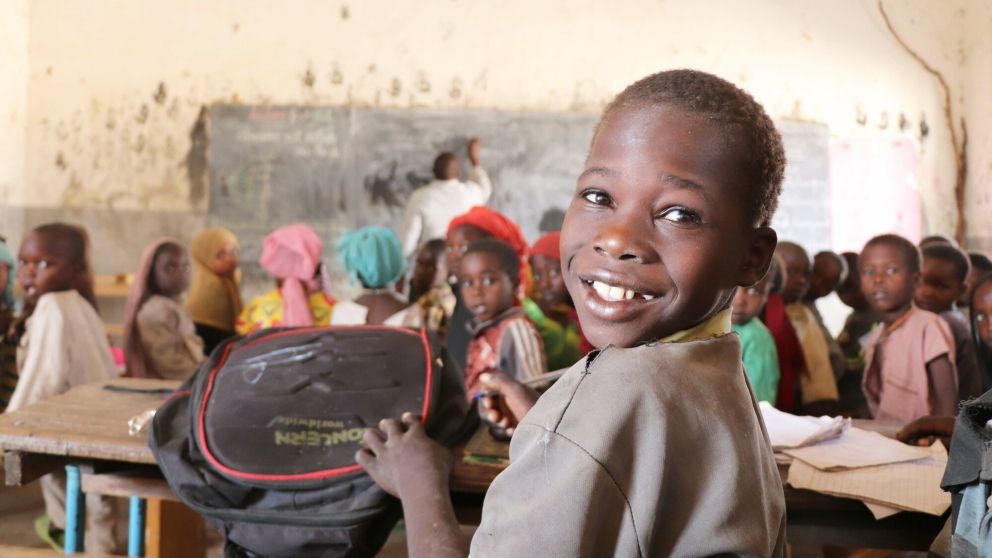
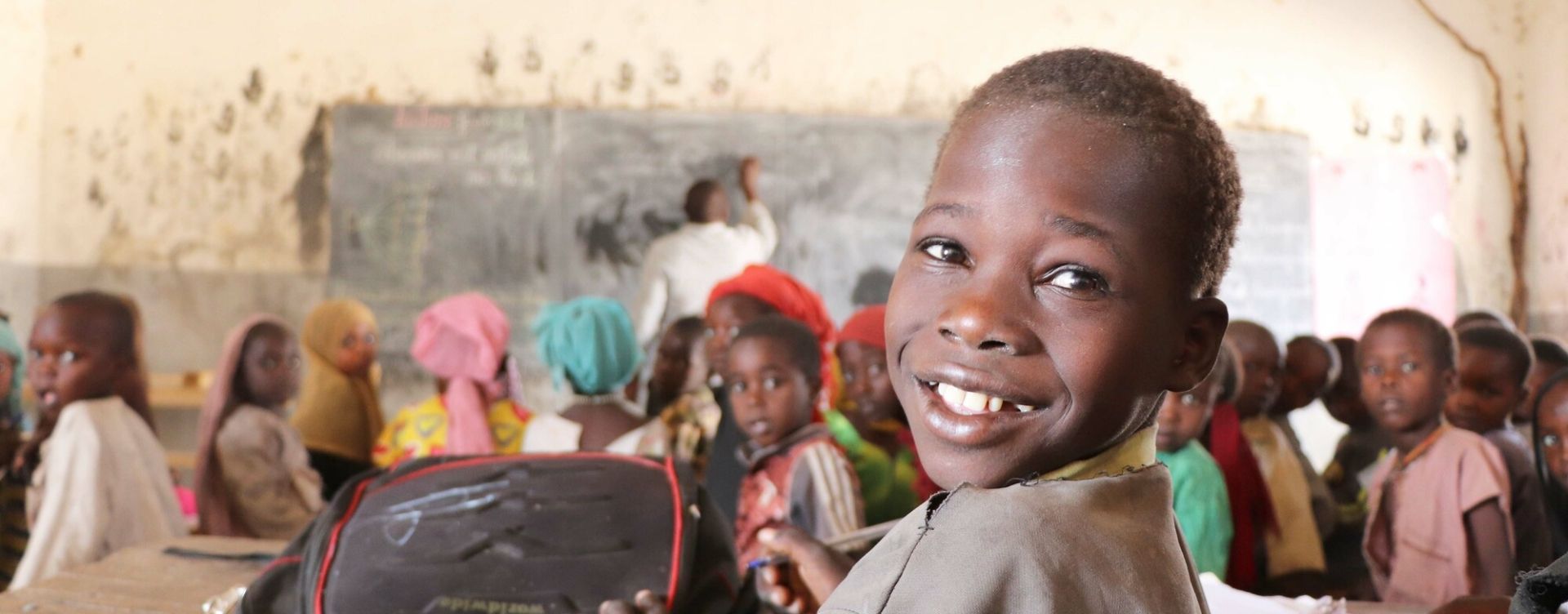
Why education? Every child has the right to safe, inclusive and quality education. As one of the strongest routes out of poverty, education helps children build knowledge, skills and confidence to shape their futures, yet poverty, crisis, conflict, climate shocks, inequality and weak education systems continue to prevent many from accessing and continuing their learning.
Concern’s education programmes are designed around the needs of each local context and focus on three connected priorities: access, quality and wellbeing.
Across humanitarian response, preparedness, recovery, and development contexts, we help the most excluded children access and continue learning, strengthen foundational literacy, numeracy and social and emotional skills, and feel safe, protected and supported.
We work with education authorities, schools, teachers, caregivers, communities and local partners to strengthen education systems, support teachers and create protective learning environments where children can learn, recover and thrive.


A closer look at our education programmes
Concern’s education programmes support children and young people affected by extreme poverty, crisis and exclusion to access safe, inclusive and quality learning opportunities. Our work focuses on three connected priorities: improving access to education, strengthening the quality of teaching and learning, and supporting the wellbeing of children and teachers. In emergencies and protracted crises, we use crisis-responsive approaches to help minimise learning disruptions, support children return to school, stay safe, recover from any learning losses and build the foundational skills they need for the future.
Keeping children learning in emergencies
Nearly 234 million school-aged children in crises need urgent support to access quality education, while fewer than one in five crisis-affected children can read by the end of primary school. In emergencies and protracted crises, Concern helps children stay connected to learning through flexible approaches such as alternative education, accelerated learning, distance learning, school kits, remedial support and community mobilisation.
Flagship approaches such as Learning Together-Apprendre Ensemble in Niger and HOPE III in Chad show how education can be adapted in insecure and displacement-affected settings, helping children to return to learning, remain engaged and progress into further education.
Improving quality and learning outcomes
Safe, inclusive and supportive learning environments
Organisations who fund us



Global Partnership for Education (GPE)

The Lego Foundation
Knowledge Hub resources on the theme of Education
 Flagship Programmes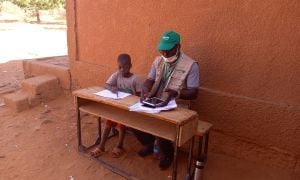
 Technical Resource
 Knowledge Matters Magazine


1/3
Other ways to help

Corporate support
Is your company interested in working together for a common cause?

Fundraise for Concern
From mountain trekking to marathon running, cake sales to table quizzes, there are lots of ways you can support our work.

Buy a gift
With an extensive range of alternative gifts, we have something to suit everybody.

Leave a gift in your will
Leave the world a better place with a life-changing legacy.

Volunteer with Concern
The lots of ways to get involved with our work as a volunteer

School fundraising
Without the generous support from schools, we wouldn't be able to do the work that we do.